
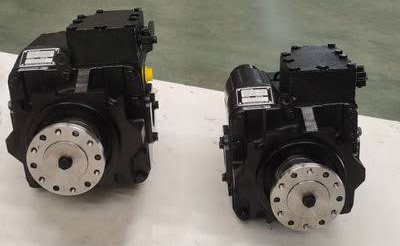
As one of the most critical pieces of equipment in the ready-mix concrete industry, a truck mixer relies on a powerful and reliable system to carry out its core functions – transporting, mixing, and discharging concrete. At the heart of this system lies the hydraulic pump; a component that transforms raw engine power into controlled, precise hydraulic energy.
Without the hydraulic pump, drum rotation, concrete discharge, and even simple directional changes of the drum would be impossible. Often overlooked, this component is in fact the primary determinant of a truck mixer’s smooth operation, high efficiency, and overall service life. In this article, we take an in-depth, technical look at this vital component, covering everything an engineer, operator, or technician needs to know.
Table of Contents
What Is a Truck Mixer Hydraulic Pump and What Does It Do?
Operating Principles and the Power Transmission Path
Types of Hydraulic Pumps Used in Truck Mixers
Warning Signs of Hydraulic Pump Failure
Step-by-Step Hydraulic Pump Troubleshooting
Preventive Maintenance and Extending Service Life
Leading Brands and Choosing the Right Pump
Conclusion
FAQ
What Is a Truck Mixer Hydraulic Pump and What Does It Do?
The truck mixer hydraulic pump is an energy conversion device that receives rotational force from the diesel or electric motor and converts it into hydraulic oil flow and pressure. This hydraulic energy provides the driving force for the key functions of a truck mixer:
Drum Rotation: Supplies the necessary power to the hydraulic motor, which rotates the mixing drum at controlled speeds and torque.
Concrete Discharge: Reversing the oil flow causes the drum to rotate in the opposite direction, allowing concrete to be discharged through the chute.
Control Valve Actuation: Activates control valves to direct material flow.
By generating a continuous flow of hydraulic fluid, the pump creates enough pressure to move heavy loads and overcome resistance.
Operating Principles and the Power Transmission Path
Understanding the power transmission path in a truck mixer is essential for grasping the role of the hydraulic pump:
-
Power Take-Off from the Engine: Mechanical power is drawn from the diesel engine through the Power Take-Off (PTO) unit and transmitted to the hydraulic pump via a drive shaft.
-
Energy Conversion: The hydraulic pump (whether piston or gear type) converts mechanical energy into hydraulic energy. This process is based on the positive displacement principle and involves three key stages: suction, displacement, and discharge of hydraulic oil.
-
Hydraulic Energy Transmission: Pressurized hydraulic oil is delivered through pipes and hoses to the hydraulic motor.
-
Final Conversion to Mechanical Motion: The hydraulic motor converts the hydraulic energy back into kinetic energy (rotation). This rotation is transmitted to the drum through a reduction gearbox, rotating the drum at the appropriate speed and torque.
Modern hydraulic systems typically use two circuit types: the more common open-circuit system and the more efficient and precise closed-circuit system.
Types of Hydraulic Pumps Used in Truck Mixers
Various types of hydraulic pumps are used in truck mixers, each with its own advantages and disadvantages.
Gear Pump
A gear pump consists of a pair of meshing gears inside a housing. As the gears rotate, they trap and displace fluid, generating flow. This pump type has a simpler design and offers better resistance to contamination but delivers lower pressure and efficiency compared to piston pumps. Gear pumps are typically found in budget-conscious models or applications with lower performance requirements.
Piston Pump
A piston pump uses one or more pistons to generate fluid flow and pressure. It is divided into two main categories:
Fixed-Displacement Piston Pump: Offers a constant flow rate, simpler design, and lower cost. Suitable for smaller truck mixers or light-load conditions.
Variable-Displacement Piston Pump: Features an adjustable flow rate, adapts to varying load conditions, and delivers high efficiency. This is the ideal choice for large truck mixers or demanding, variable-load applications.
Piston pumps can handle significantly higher pressures than gear pumps of similar displacement. In truck mixers, variable-displacement piston pumps are commonly used for precise drum speed control.
Warning Signs of Hydraulic Pump Failure
Early detection of hydraulic pump failure warning signs prevents costly repairs and unexpected downtime. Key warning signs include:
Sluggish Drum Rotation: The drum rotates slower than normal.
Irregular or Jerky Drum Motion: The drum does not rotate smoothly and exhibits shuddering.
Unusual Noises: Whining, screeching, or knocking sounds emanating from the pump or hydraulic system.
Hydraulic Oil Leaks: Visible oil seepage around the pump, fittings, or hoses.
Excessive Heat: Increased temperature of the hydraulic oil or system components.
No Drum Rotation: The drum fails to rotate entirely.
Step-by-Step Hydraulic Pump Troubleshooting
If any of the above warning signs appear, systematic troubleshooting can help identify the issue more quickly:
-
Check Hydraulic Oil Level and Quality: Low oil levels or contaminated oil (dark or milky discoloration) are among the most common causes of hydraulic problems. Contamination can be of internal or external origin and may lead to pump failure.
-
Inspect Filters and Radiator: Clogged oil filters or cooling radiators can cause temperature increases and reduced system efficiency.
-
Check for Oil Leaks: Inspect all hoses, fittings, and seals for signs of leakage.
-
Check for Air Ingestion (Cavitation): Air in the system can cause unusual noises and reduce efficiency. Intermittent vibrations in high-pressure lines indicate the presence of air.
-
Inspect Control and Pressure Valves: Clogged or faulty control valves can prevent proper pressure from reaching the pump.
-
Inspect the Pump and Hydraulic Motor: If no issues are found in the steps above, the pump or hydraulic motor itself may have internal leakage or wear.
Preventive Maintenance and Extending Service Life
Regular, preventive maintenance is the key to extending the service life of a truck mixer hydraulic pump and avoiding costly breakdowns.
Daily Inspection: Hydraulic oil level, hoses, fittings, and seals should be checked daily. Also inspect for leaks and any unusual noises.
Oil and Filter Changes: According to industry standards, the hydraulic oil and filter should be changed after the first 500 hours of operation, and subsequently every 2,000 hours of operation or at least once a year. Always change oil with the engine off to avoid damaging the hydraulic system.
System Cleaning: The hydraulic system should be cleaned regularly to remove dust, dirt, and other particles that cause wear.
Temperature Monitoring: The operating temperature of the pump and hydraulic oil should be monitored regularly. Excessive heat can indicate serious underlying issues.
Reducer Gearbox Oil Change: The reducer gearbox oil should be changed after the first 150 hours of operation, and then every 2,000 hours or annually.
Leading Brands and Choosing the Right Pump
In the truck mixer industry, reputable brands such as Rexroth, Sauer, Eaton, and Danfoss are recognized as leading manufacturers of hydraulic pumps and motors.
Common Pump Series: Some of the most widely used hydraulic pump series in truck mixers include:
Rexroth: A4VTG series (models 45, 56, 63, 71, 90, 110), A2FM series
Sauer: PV21, PV22, PV23 series
Danfoss: 90R series
Eaton: 46, 54, 64 series
Key Selection Parameters: When selecting a hydraulic pump for a truck mixer, the following factors should be considered:
Displacement: Must match the required drum rotation speed.
Rated Pressure: Should exceed the system's maximum working pressure (typically with a 10–20% margin).
Volumetric Efficiency: Preferably above 90% to minimize energy loss.
Brand Compatibility: The pump must be compatible with other hydraulic system components (motor, valves, filters).
Conclusion
The truck mixer hydraulic pump is undoubtedly one of the most vital and influential components of a truck mixer, ensuring the quality and efficiency of ready-mix concrete transport from the plant to the point of discharge at the project site. By converting mechanical engine power into hydraulic energy, it provides the driving force for drum rotation, uniform mixing, and precise discharge.
Choosing the right pump from among gear and piston types (fixed or variable displacement) based on project needs, truck mixer capacity, and operating conditions plays a decisive role in equipment performance and longevity. Reputable brands such as Rexroth, Sauer, Eaton, and Danfoss have set high standards in this industry with their quality products.
Recognizing the warning signs of failure, performing systematic troubleshooting, and adhering to a preventive maintenance schedule – including daily oil level checks, timely oil and filter changes every 500 to 2,000 operating hours, and system temperature monitoring – prevents sudden breakdowns and expensive repairs. Investing in proper hydraulic pump maintenance not only extends the service life of the truck mixer but also improves the quality of delivered concrete and the overall productivity of construction projects.
FAQ
-
What is the function of a truck mixer hydraulic pump?
The truck mixer hydraulic pump receives mechanical power from the engine via the Power Take-Off (PTO) and converts it into hydraulic oil flow and pressure, supplying the energy required for drum rotation, concrete discharge, and hydraulic control valve actuation.
-
What is the difference between gear and piston pumps in truck mixers?
A gear pump has a simpler design, better contamination resistance, and lower cost, but delivers lower pressure and efficiency. A piston pump (especially the variable-displacement type) offers higher pressure, greater efficiency, and adjustable flow, making it more suitable for large truck mixers and variable-load conditions.
-
What are the warning signs of a failing hydraulic pump?
Sluggish or stopped drum rotation, irregular drum motion, unusual noises (whining, screeching, or knocking) from the pump, hydraulic oil leaks, excessive system heating, and reduced overall efficiency are the most important warning signs.
-
How often should the hydraulic oil in a truck mixer be changed?
According to industry standards, the hydraulic oil and filter should be changed after the first 500 hours of operation, and subsequently every 2,000 hours of operation or at least once a year.
-
What are the well-known brands of truck mixer hydraulic pumps?
Well-known and widely used brands in the truck mixer industry include Rexroth (A4VTG series), Sauer (PV21, PV22, PV23 series), Eaton (46, 54, 64 series), and Danfoss (90R series).
-
How can premature hydraulic pump failure be prevented?
By following a regular preventive maintenance program – including daily checks of oil level and hose condition, timely oil and filter changes, regular system cleaning, operating temperature monitoring, and periodic inspections by a qualified technician – premature hydraulic pump failure can be prevented.

Comments (0)
No comments yet. Be the first to share your thoughts!
Leave a Comment