
The History of Truck Mixers: From Horse-Drawn Carts to Modern Concrete Trucks The earliest mobile concrete mixing concepts date back to the early 20th century. In 1904, Richard Bodlaender patented a horse-drawn mortar mixer with a rotating drum—considered a precursor to modern truck mixers. Around the same time in the United States, T.L. Smith developed one of the first mechanical concrete mixers. A major milestone came in 1916, when Stephen Stepanian introduced the concept of a motorized “transit mixer,” laying the groundwork for today’s concrete mixer trucks. Between the 1920s and 1950s, rapid growth in road construction and infrastructure projects accelerated innovation. After World War II, the expansion of the ready-mix concrete industry transformed truck mixers into highly specialized and indispensable construction equipment. Main Components of a Truck Mixer A concrete truck mixer consists of several critical components: 1. Chassis The reinforced truck frame that supports the entire system. Due to the heavy weight of concrete, truck mixers typically feature multi-axle, heavy-duty chassis for stability and load distribution. 2. Mixing Drum The cylindrical rotating drum mounted at the rear of the truck. Inside the drum are spiral blades that: Rotate in one direction to mix and prevent material segregation Rotate in the opposite direction to discharge concrete Standard truck mixer capacities typically range from 6 to 10 cubic meters. 3. Engine and Hydraulic System The (usually diesel) engine powers both vehicle movement and drum rotation. A hydraulic system transfers power from the engine to the drum, enabling controlled mixing and discharge. 4. Discharge Chute The adjustable chute guides concrete from the drum to the exact pouring location. In modern front-discharge models, the operator can control the chute directly from the cab. 5. Water Tank The onboard water tank serves multiple purposes: Adjusting concrete slump on-site Completing mixing in dry-batch systems Cleaning the drum after unloading to prevent hardened buildup Types of Truck Mixers 1. Based on Mixing Method Dry Batch (Transit Mix) In this method, dry materials and water are loaded into the drum separately, and mixing occurs during transportation. This system is common in North America. Central Mix (Wet Batch) Concrete is fully mixed at a batching plant before being loaded into the truck mixer. The drum acts primarily as an agitator to maintain uniformity. This method is widely used in Europe and many other regions. 2. Based on Discharge Position Rear Discharge: The most common configuration, with the chute located at the back of the truck. Front Discharge: Allows the driver to control discharge from inside the cab, improving efficiency and reducing labor requirements. Applications and Importance in Construction Truck mixers play a vital role in: Delivering ready-mix concrete to construction sites Residential and commercial building projects Bridge, dam, and road construction Improving project speed and productivity Ensuring consistent concrete quality Without truck mixers, modern large-scale construction projects would be significantly slower, less efficient, and more labor-intensive. Conclusion From early horse-drawn mixing devices to today’s advanced hydraulic-powered concrete trucks, truck mixers have evolved into one of the most critical machines in the construction industry. Their rotating drum system, durable chassis, and engineered design ensure that high-quality concrete is delivered efficiently from plant to project site. For professionals in the ready-mix concrete and construction sectors, understanding truck mixer technology is essential for optimizing equipment selection, improving operational efficiency, and ensuring long-term project success.
What Is a Truck Mixer? History, Components, and Applications in Construction
تیم آریا تراک
2025/02/10
3 min read
52 views
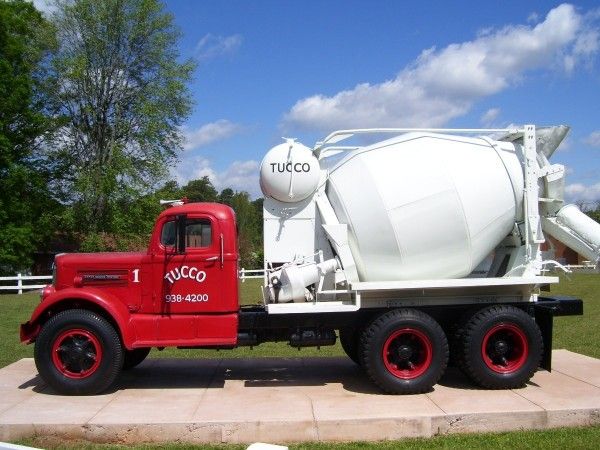
A truck mixer, also known as a concrete mixer truck or transit mixer, is one of the most essential machines in the modern construction industry. With its rotating drum mounted on the back of a heavy-duty chassis, this vehicle is responsible for mixing and transporting ready-mix concrete to construction sites—while maintaining its quality and workability.
Truck mixers combine cement, aggregates (sand and gravel), and water, then deliver the concrete to projects without compromising consistency. Below, we explore the history, key components, types, and applications of truck mixers.
Truck mixers combine cement, aggregates (sand and gravel), and water, then deliver the concrete to projects without compromising consistency. Below, we explore the history, key components, types, and applications of truck mixers.
Comments (0)
No comments yet. Be the first to share your thoughts!
Leave a Comment