Table of Contents
-
Introduction: From an Incident to an Engineering Pride
-
-
Iran's Distinguished Track Record in Large-Scale Civil Projects
-
-
-
Pickaxe Mountain: A Symbol of "Threat-Neutralizing" Engineering
-
-
-
Trump's Threats: A Test of Unity and National Pride
-
-
-
The Battle of Narratives: The Main Arena of Engagement and Capability Demonstration
-
-
-
Iranian Skill: From Theoretical Knowledge to Field Practice
-
-
Conclusion: Victory on the Field of Will, Knowledge, and Action
Introduction: From an Incident to an Engineering Pride
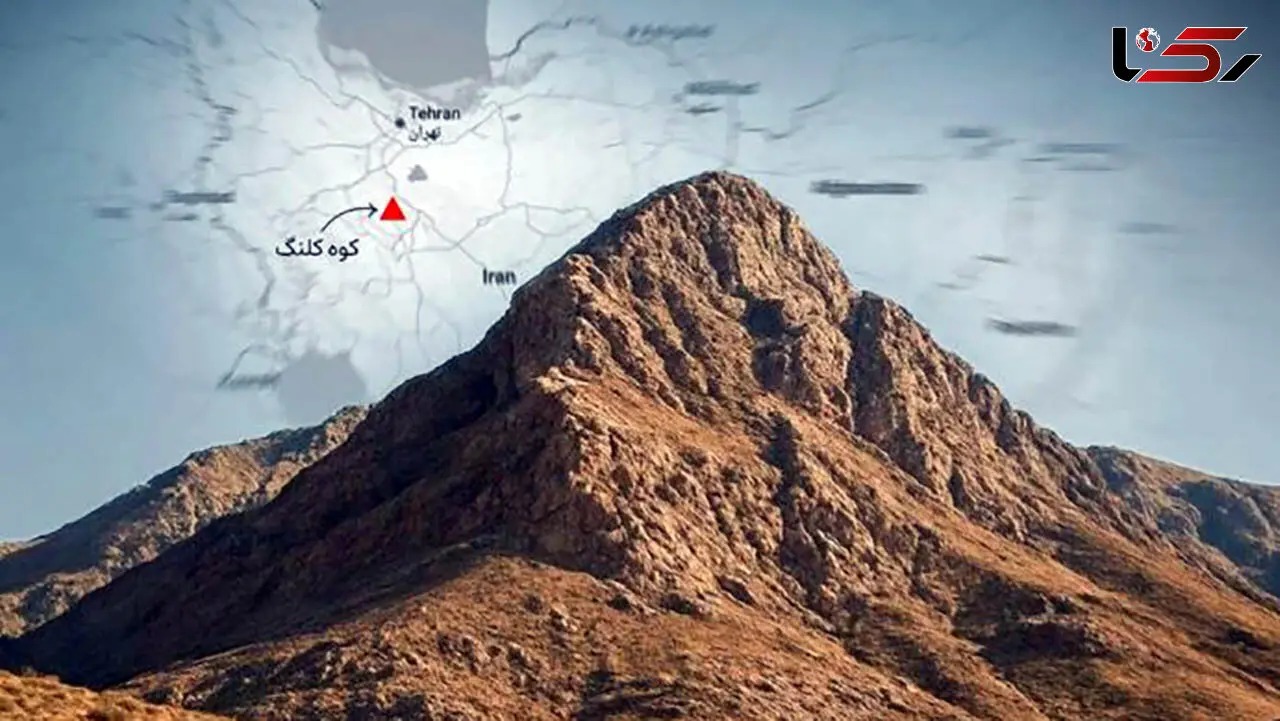
The 2020 incident at the Natanz nuclear complex, though seemingly a bitter act of sabotage, quickly became a turning point in Iran's defense and industrial approach. In response to that event, Iranian authorities announced the decision to establish an alternative facility deep underground, carved into one of the mountains of the Zagros range. What is now known globally as Pickaxe Mountain (Kūh-e Kolang Gaz Lā) – located approximately 1.5 kilometers south of Natanz – is the result of that strategic decision; a decision built on a simple principle: to transform every threat into an opportunity for strengthening national security and demonstrating domestic capability.
What sets this project apart from a patriotic perspective is not merely its defensive function, but its display of Iranian engineering and industrial prowess in one of the world's most challenging underground civil engineering projects. Tunneling through solid mountain rock, relying on indigenous knowledge and domestically manufactured equipment, has brought a new narrative of "we can do it" to life in practice.
-
Iran's Distinguished Track Record in Large-Scale Civil Projects
To understand the magnitude of a project like Pickaxe Mountain, one must look at Iran's civil engineering track record. The country has, in recent decades, built dams at the highest altitudes, excavated the longest water transfer tunnels, constructed metro networks beneath complex urban landscapes, and erected major power plants – consistently proving its capability in massive infrastructure projects.
Despite years of sanctions and limited access to foreign equipment, Iranian engineers have not only persevered but have set regional and even global records through innovation and localization. From the Karkheh and Gotvand Dams to the Golab Tunnel and the Tehran and Isfahan metro systems, these achievements all testify to the technical maturity and practical experience of Iran's domestic workforce.
The Pickaxe Mountain project fits within this chain of successes; the difference is that this time, the stage for demonstrating capability lies within a strategically positioned mountain, conceived in response to an external threat, and directly tied to the nation's nuclear advancements.
-
Pickaxe Mountain: A Symbol of "Threat-Neutralizing" Engineering
Domestic technical media consider Pickaxe Mountain a prime example of geography-based defensive engineering. Selecting a mountain with solid rock cover in Isfahan province and excavating vast spaces at considerable depth – just 1.5 kilometers from the Natanz complex – requires precise geological calculations, advanced underground structural design, and flawless drilling operations, all executed using domestically manufactured or localized equipment.
What makes this project industrially remarkable is the simultaneous management of multiple work fronts under challenging geographical conditions. Iranian engineers, by excavating numerous tunnels, installing advanced ventilation and safety systems, and deploying heavy equipment within the mountain, have demonstrated that they are not only keeping pace with global standards but have, in some areas, introduced innovative solutions that have attracted the attention of international experts.
This approach is known in Iranian media circles as "civil engineering-based resistance economy" – leveraging maximum domestic capability to build infrastructure that meets national needs while minimizing vulnerability to external threats.
-
Trump's Threats: A Test of Unity and National Pride
In recent months, particularly during the 2026 Iran war, U.S. President Donald Trump repeatedly threatened to attack this deep underground facility, speaking in harsh terms about targeting and destroying the site. These threats – widely reported in international media – have, in practice, been met with a calm but firm response from Tehran.
Iranian officials have, in response, emphasized a "crushing response" to any military action against its nuclear infrastructure. What is particularly significant from a patriotic perspective is the impact of these threats on national unity and pride. Modern Iranian history shows that external threats – particularly from the United States – have often strengthened national cohesion and support for domestic achievements. In this context, Pickaxe Mountain has become a symbol of Iran's industrial and engineering resistance against bullying – a symbol capable of evoking patriotic sentiments across the political spectrum.
Iranian media, with extensive coverage of these threats, emphasize the ineffectiveness of military threats against such a robust Iranian structure, viewing this as a strategic strength of the Islamic Republic; because the enemy, upon witnessing this level of technical capability and deep geological fortification, finds its calculations confused.
-
The Battle of Narratives: The Main Arena of Engagement and Capability Demonstration
What has made Pickaxe Mountain a thoroughly political-industrial case is the battle of narratives surrounding its actual function. Western media have proposed various scenarios regarding its connection to Iran's nuclear program, while Iran, while asserting its legal rights to develop peaceful nuclear technologies, has refrained from confirming or denying specific operational details.
This deliberate ambiguity is itself a smart strategy. Analysts believe keeping the enemy in a state of speculation increases its intelligence and operational costs while preserving maneuvering space for Iran. Beyond that, this ambiguity creates an opportunity to highlight Iran's engineering capability; because any speculation by foreign experts ultimately leads to implicit acknowledgment of the technical complexity and robustness of the structure.
On the other hand, unofficial reports from Western institutes indicate that the facility is still under construction – adding analytical complexity to the case while simultaneously providing ample time for showcasing domestic capability in future construction phases. The international community remains intensely focused on this site, situated so close to the Natanz nuclear complex, making it a central point of geopolitical friction.
-
Iranian Skill: From Theoretical Knowledge to Field Practice
One of the most important lessons of the Pickaxe Mountain project for the new generation of Iranian engineers is bridging the gap between theoretical knowledge and field implementation. Many universities and research centers have participated in designing tunnel stabilization systems, optimizing drilling methods in hard rock, and managing potential crises in this project. This systematic collaboration between industry, academia, and the armed forces serves as an efficient model for other major national projects.
Workers and engineers laboring inside the mountain, despite heat, dust, and equipment limitations, have pressed forward with exemplary spirit. Domestic media have repeatedly spoken of "civil engineering jihad" in this project – a term carrying deep patriotic emotional weight, reminiscent of the same spirit seen during the Sacred Defense era.
As one industrial expert put it, "Pickaxe Mountain has shown that when national will is combined with domestic knowledge and experience, no geographical or technological obstacle can stand in the way of progress. This project is less a facility and more a massive practical training workshop for thousands of Iranian engineers and technicians."
Conclusion: Victory on the Field of Will, Knowledge, and Action
From a patriotic and political perspective, Pickaxe Mountain transcends the meaning of a mere technical facility. Located just 1.5 kilometers from the Natanz nuclear complex, it is a symbol of the national will to preserve independence and security, and simultaneously, clear evidence of Iran's industrial and civil engineering capability. Its construction in response to enemy sabotage carries a dual message: transforming threats into opportunities while showcasing Iranian engineering might to the world.
From a political standpoint, this project has become a battlefield of narratives – where the United States, particularly with President Trump's repeated threats during the 2026 war, attempts to portray it as a target, and Iran, relying on its legal rights and employing strategic ambiguity, not only neutralizes that threat but transforms it into an opportunity for national cohesion, showcasing domestic capability, and increasing strategic deterrence.
Recent threats, while ostensibly increasing pressure, in practice confront complex political, geological, and technical realities that invalidate any simplistic military calculation. Ultimately, what determines the outcome in this battle is not bombs and missiles, but national will, technical knowledge, and practical skill – and Iran, with popular support and the invaluable experience of its engineers, has entered this field from a position of strength.
Comments (0)
No comments yet. Be the first to share your thoughts!
Leave a Comment